Clarify your seminar objective before visiting venues
The first mistake is to look for ‘a beautiful room’ before defining what the day is actually meant to achieve. A strategic alignment session, a workshop day, a confidential leadership meeting, an internal launch or an inspirational retreat do not call for exactly the same setting.
Before visiting anything, answer a few simple questions:
do you mainly need to produce, reflect, decide, thank, unite, or combine several of these?
Do you need a lot of seated time, breakout spaces, privacy, on-site lunch, or breathing moments between sessions?
Only then does the venue become truly legible.
In other words, the venue must serve an intention. If your day depends on dense content and sustained concentration, you need a main room that is comfortable, readable and technically reliable.
If your goal is to create breathing space, foster informal exchanges or offer a memorable experience to guests, then the setting and the journey through it matter even more. This first diagnostic step prevents the common trap of choosing a venue that looks attractive but does not really support the event.
Check the fit between capacity, setup and circulation
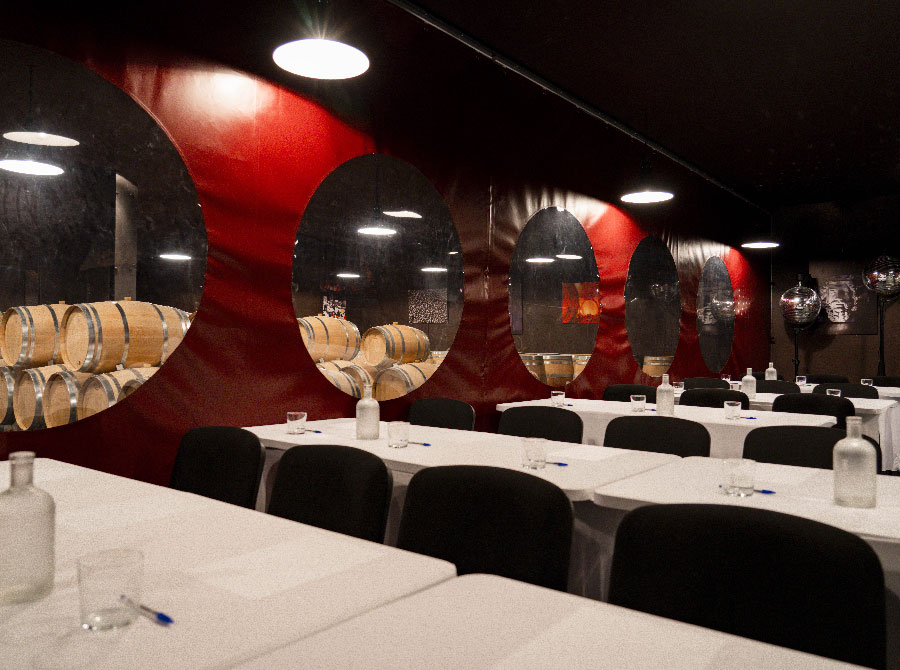
A meeting room should never be judged by seat count alone. The real question is usable capacity: how many people can sit comfortably, see properly, hear without effort, move around easily and work in good conditions?
A space may look sufficient on paper and feel cramped once you add a U-shape layout, projection, welcome table, coffee break area or technical equipment. Capacity should therefore be tested in realistic scenarios, not as an abstract figure.
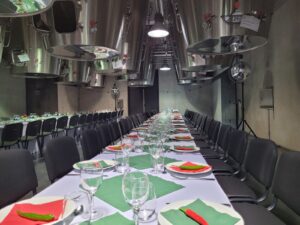
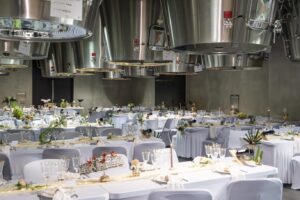
Around a place like Château La Fleur de Boüard, the value often lies in the combination of spaces: a main room for collective moments, an outdoor area or terrace for breaks, and a more immersive architectural setting to punctuate the day. This articulation is valuable because it gives rhythm without scattering the group. The smoother the transitions, the more participants remain mentally available for the content itself.
- Always ask for capacity according to real seating layouts, not just one global figure.
- Check visibility, acoustics, room for equipment and the comfort of break areas.
- Prefer venues where the transition between room, break and lunch happens naturally.
- Anticipate specific needs: confidentiality, accessibility, supplier access, parking.


Assess technical comfort without being blinded by the décor
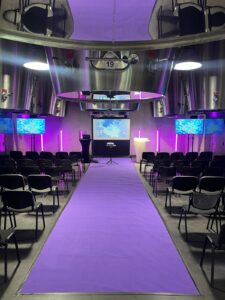
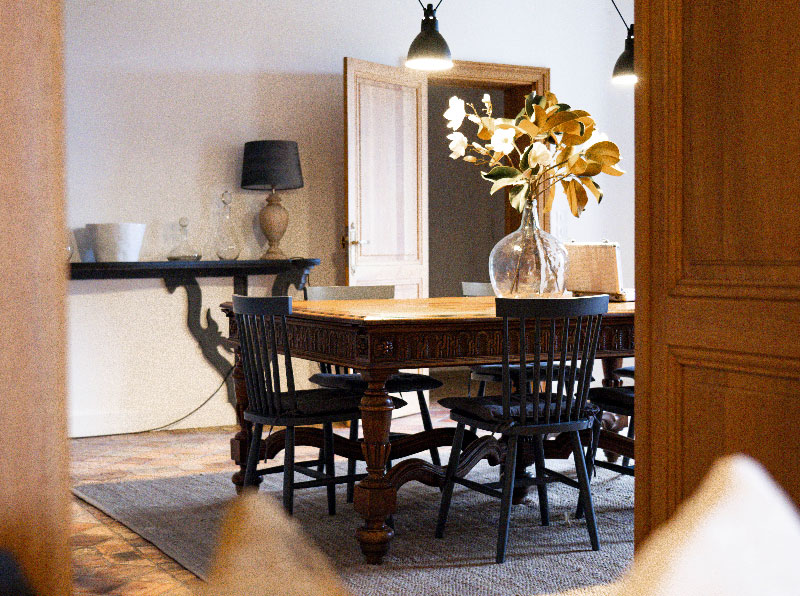
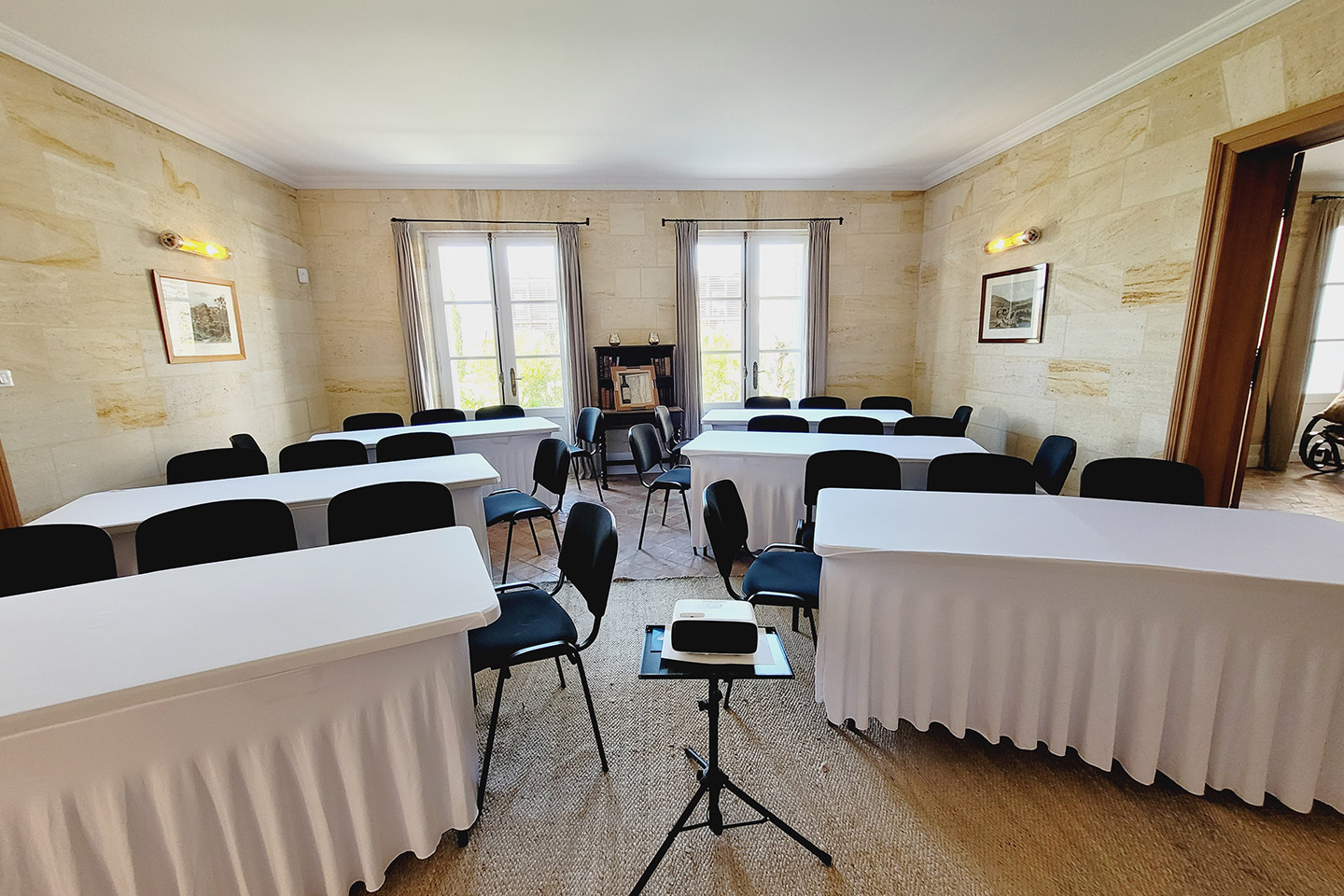
A beautiful setting will never compensate for weak technical delivery. For a seminar to work, technology should remain almost invisible: readable screen, reliable projection, stable connection, clean sound, simple presenter setup and lighting that allows people to see both the screen and one another.
In a heritage or wine-tourism setting, this balance matters especially: atmosphere is part of the appeal, but it must never undermine work quality.
Comfort is just as decisive. This includes seating, temperature, air quality, natural light, the quality of breaks and the overall ease of using the place. A seminar is a long experience.
If participants are too warm, cannot hear well, cannot see properly or feel cramped, attention drops quickly. During a site visit, you should therefore test what you actually see, hear and feel—not only what the venue brochure promises.
Do not underestimate the value of setting and breathing moments
A successful seminar depends not only on content density but also on the quality of the breaks between moments of concentration.
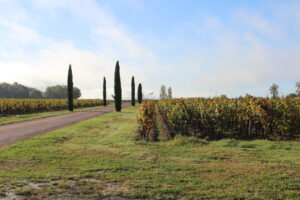
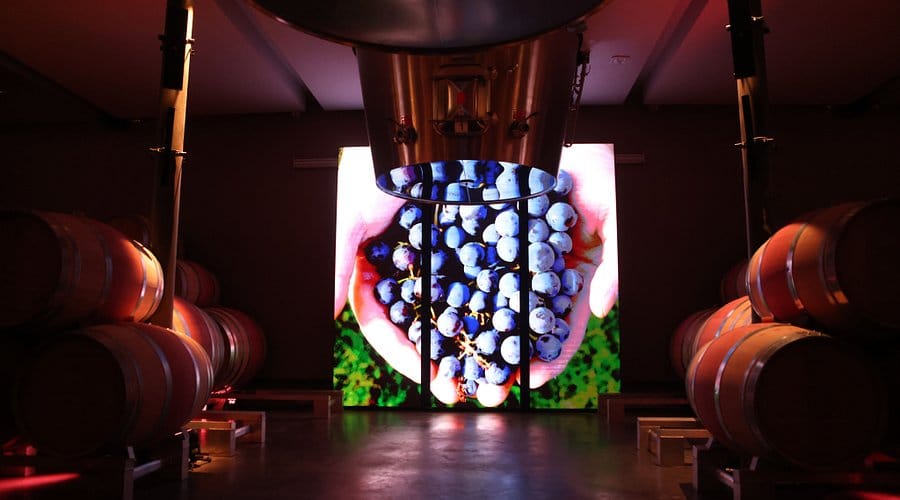
Around Saint-Émilion, a wine estate offers a strong advantage: it allows you to step out of the purely functional room setting without breaking the rhythm of the day. A pause on a terrace, a short walk, an immersive stop at the Cellar of Light, or simply an open view over the vines can help participants decompress, continue useful conversations and return more available for the next sequence.
These breathing moments should not be seen as decorative extras. They are part of the event design.
In many seminars, these in-between moments are exactly where the most honest exchanges, the most useful clarifications or the best spontaneous ideas emerge. Choosing a venue therefore also means choosing the quality of these transitions.
Think of lunch as an indirect working moment
Lunch, coffee breaks or an end-of-day cocktail are not secondary moments. They extend the seminar in another register. A good venue should therefore either provide an integrated dining solution or make external catering easy and well supported. The meal should not break the pace by being too heavy, nor disappoint by being too weak. Ideally, it should match the tone of the day: clear, well executed, comfortable enough to create conviviality without dispersing attention.
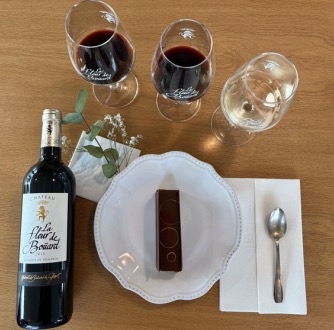
In a wine estate, food and wine can naturally enrich this part of the programme. That does not mean turning lunch into a show. On the contrary, success usually lies in measure: seasonal cuisine, fluid service, a coherent setting and, if appropriate, a discreet connection to the world of wine. This continuity strongly influences the perceived quality of the venue.



Choose a venue that is easy to reach and pleasant to live in all day
The charm of a wine estate should never make you forget practical realities. Guests may come from Bordeaux, Libourne or farther away, by train or by car.
A good seminar venue must therefore be relatively easy to reach, simple to read on arrival, and supported by manageable parking and a welcome process that does not create hesitation.
Signage, arrival timing, coordination with suppliers and the legibility of the site all shape quality perception long before the first slide appears.
You also need to think about comfort across the full day.
Where do participants leave their bags?
Where does the break take place? Is there somewhere to step outside briefly without losing the flow of the event?
Does the room remain pleasant as the light changes?
These concrete details are what distinguish a venue that is merely beautiful from one that is genuinely fit for a successful working day.
- Anticipate the main arrival mode of participants (car, train, shuttle, ride sharing).
- Check parking readability and the welcome sequence.
- Allow a comfortable arrival window rather than an abrupt start.
- Make sure the spaces remain pleasant even in changing weather.
We answer your questions
How do I know if a venue is really suitable for a seminar and not just visually appealing?
You need to check the match between your goals, real capacity, technical comfort, circulation and the quality of breaks. Décor alone is never enough.
Does the venue need to provide catering on site?
Not necessarily, but it is often more fluid. What matters is that the chosen solution is simple, high-quality and well integrated into the day.
Can a wine-tourism activity fit into a working seminar?
Yes, if it is designed as a coherent breathing moment rather than a full break from the event. It can even strengthen memory and conviviality.
When is the right moment to visit a venue before booking?
As early as possible. A site visit lets you test spaces, circulation, light and real constraints—something photos never fully replace.