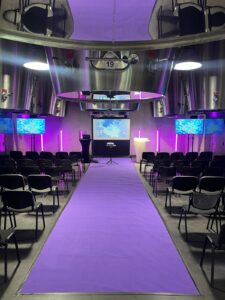
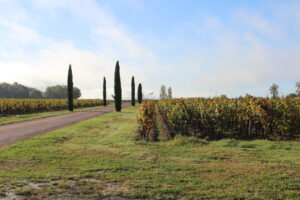
Choose an intimate format that gives meaning to every moment
One of the main advantages of an intimate wedding is freedom. A shorter guest list means less logistical pressure and more room for nuance. You can favour a heartfelt ceremony, a cocktail where people truly have time to speak, and a dinner paced around emotion rather than throughput. On a wine estate, the venue becomes more than décor—it becomes the narrative thread of the day.
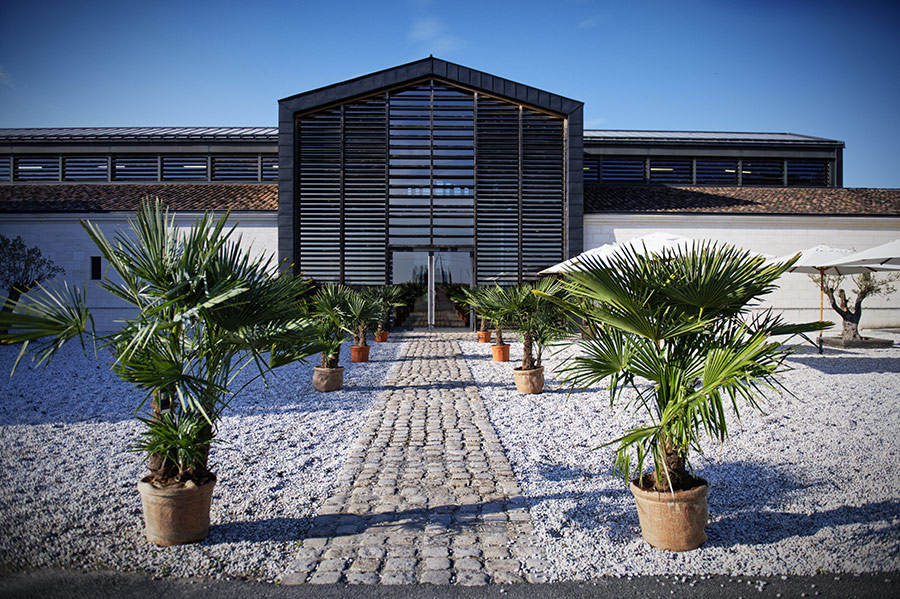
Build warmth without over-decorating
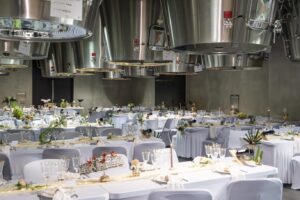
Elegance often comes from restraint. Stone, wood, contemporary lines and natural light already do much of the visual work, so there is no need for heavy decoration. A concise colour palette, airy florals, quality tableware, candles and well-chosen textiles are often enough. In intimate weddings, this visual discipline feels luxurious because it leaves space for faces, gestures and conversations.
- Keep the colour palette short and coherent.
- Use the venue’s own light first, then add soft evening lighting.
- Choose a few strong decorative statements rather than many scattered ones.
- Focus on material quality: linen, glass, ceramic, wood, textured paper.
Design the guest journey: welcome, emotion, celebration
A successful wedding feels fluid. Guests should never be left wondering where to go or what happens next.
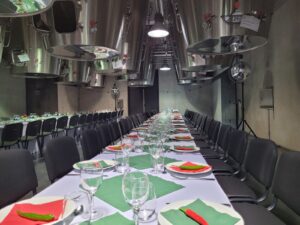
On a wine estate, that flow is built by treating the day as a journey: a readable welcome area, a ceremony space with good acoustics and sightlines, a natural shift into cocktail time, and finally a dinner setting that feels more enveloping and intimate.
With a small guest list, these transitions matter even more, because every guest notices details more closely.
Table and wine: the signature of the place
On a wine estate, food and wine are not logistical add-ons—they are central to the tone of the celebration.
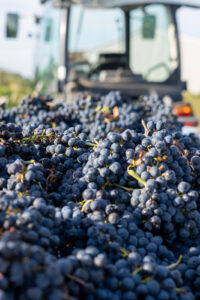
An intimate wedding allows more precision: seasonal menus, thoughtful pairings, attentive service and enough time at table for real conversation. Wine may remain a discreet signature rather than a theme, appearing through one highlighted cuvée or a subtle oenological touch in the meal.
Light, photography and lasting memories
A vineyard estate offers remarkable photographic conditions: vine lines, textured façades, terraces, stone and late-day light.
For an intimate wedding, this means strong visual memories without keeping guests away from the celebration for too long. A short portrait session after the ceremony, a few frames at sunset and candlelit table images are often enough. The beauty of the place does much of the work.
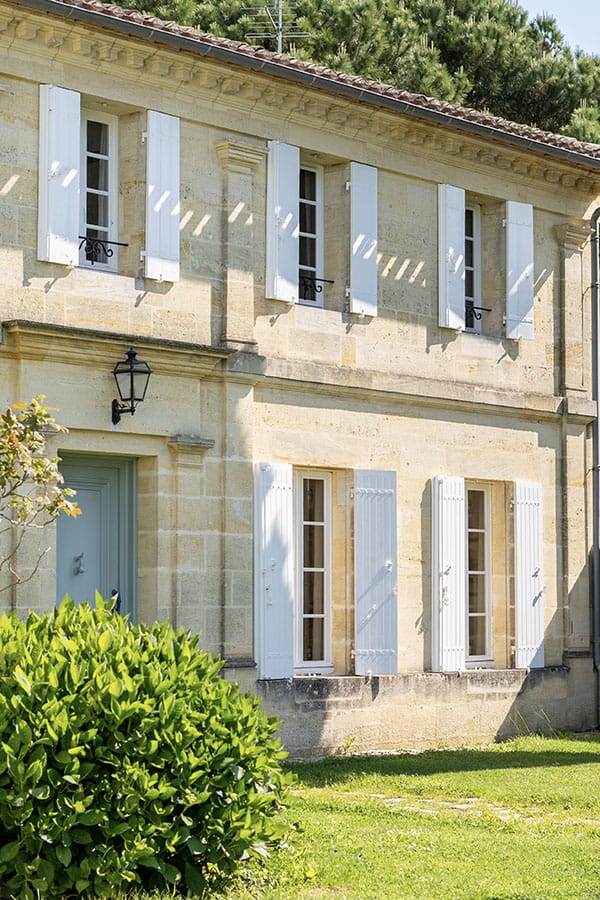
Anticipate logistics to preserve softness on the day
A smaller wedding still requires precision. Weather backup, supplier access, transitions, speech timing, service rhythm and evening light all need to be anticipated. This invisible preparation is exactly what allows the day to feel effortless. In a well-designed venue, the proximity of spaces removes friction: fewer transfers, fewer delays, more continuity.
Prepare an elegant indoor backup option for rain or wind.
Confirm key timings in advance: arrival, ceremony, cocktail, dinner, music, end of evening.
Pay special attention to transitional lighting between late afternoon and night.
Give guests clear practical information: parking, dress code, timings, access.
We answer your questions
Is a wine estate suitable for a small wedding?
Yes—especially so. Intimate weddings benefit greatly from the quality of the spaces, views and atmosphere without being overwhelmed by scale.
Can ceremony, cocktail and dinner all happen on site?
Yes, depending on the chosen format and private-hire option. The venue is ideal for a fluid sequence of moments.
What if it rains?
An elegant indoor backup should be planned from the start. In a well-thought venue, the charm of the day remains intact.
Does wine need to be the theme of the wedding?
Not at all. It can remain a discreet signature of the place without becoming an overwhelming theme.
When should couple portraits happen?
Usually just after the ceremony or at sunset, when the light becomes softer and more flattering.