Define time horizons: ready‑to‑drink, mid‑term, long‑term
Start with time, not labels. A ‘ready‑to‑drink’ base covers spontaneous meals; a mid‑term core (5–10 years depending on wine) supports gatherings; a small long‑term heart (10–20+ years for some profiles) fuels curiosity and memory.
On the Right Bank, earlier‑drinking styles often open gracefully, while ageworthy builds gain complexity. Balanced proportions beat impulsive buys.
- Ready‑to‑drink (0–4 years): supple fruit, gentle extraction, serve at 16–18 °C.
- Mid‑term (5–10 years): integrated structure, added complexity (spice, truffle, undergrowth depending on style).
- Long‑term (10–20+ years): requires proven provenance and rigorous storage; evolution is the reward.
Vintages & windows: learn to read, not recite
No single score or rule fits all. Three levers matter: estate style (extraction, élevage, freshness), the year’s climate profile (ripeness/acid) and your storage. Balanced years often yield generous windows, but each wine has its cadence. Rather than memorising rankings, taste two or three vintages from the same estate and feel the opening thresholds yourself.
At service, look for simple signals: open yet precise nose; palate with line and length; present but civilised tannins; no heat. If tight, decant gently (30–60 minutes). If fragile, serve a touch cooler and use narrower stems. Your senses outperform dogma—especially with travelled bottles.
Budget architecture that scales
Think in percentages, then adjust to opportunities. The example below fits a Right‑Bank‑leaning drinker seeking diversity and progression. Amounts are indicative—prioritise provenance and coherence.
- ≈ €500–€800 (12–18 btls): 50% ready‑to‑drink, 40% mid‑term, 10% long‑term.
- ≈ €1,500–€2,500 (24–36 btls): 40% ready‑to‑drink, 45% mid‑term, 15% long‑term.
- ≈ €4,000–€6,000 (48–60 btls): 35% ready‑to‑drink, 45% mid‑term, 20% long‑term.
Within each tier, mix Right‑Bank appellations to vary fruit profile, spice and tannin texture. Keep 10–15% of budget for serendipity (caviste finds, estate opportunities). A good cellar is a steady habit, not a single ‘coup’.
Right‑Bank styles: finding your bearings
Without boxing wines in, a few lines help: Merlot‑led profiles bring tannin comfort and fruit; Cabernet Franc adds backbone and floral freshness. Clay, gravel and limestone translate differently on the palate—taste in pairs to tune your preferences and your buying.
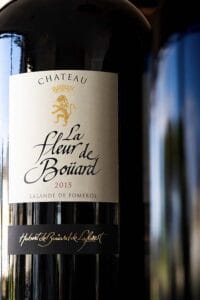
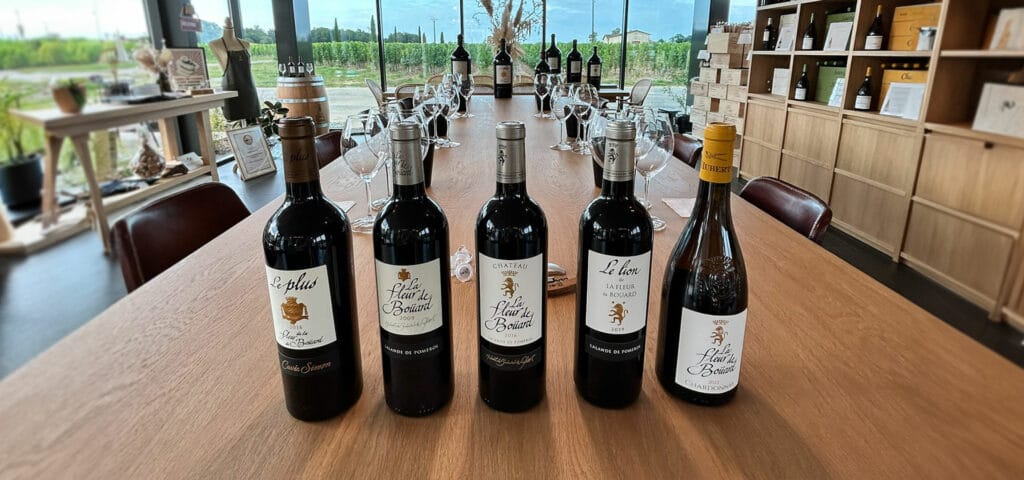
- Lalande‑de‑Pomerol: often immediate charm with 5–10‑year potential depending on estate/vintage.
- Saint‑Émilion (diverse terroirs): a wide palette from early pleasure to serious ageing—estate style matters.
- Pomerol: caressing textures and depth; long‑term bottles demand strict provenance and storage.
- Castillon/Francs: strong value in balanced recent years—fresh, digestible profiles.
Smart buying: when and where
Trusted cavistes, estates, direct sales and wine‑fair releases all work—if provenance and storage are controlled. A ‘bargain’ only is one if the cold chain holds. Futures (en primeur) can make sense to secure certain cuvées, but never buy without clarity on delivery and storage. Keep invoices and note history; documented origin is nearly as important as vintage.
- Always check: provenance, transport conditions, vintage on invoice.
- Avoid: heat‑exposed lots, stained capsules, unexplained low fills.
- Consider: grouped buys with friends to diversify and reduce shipping.
Storage, tracking and opening rhythm
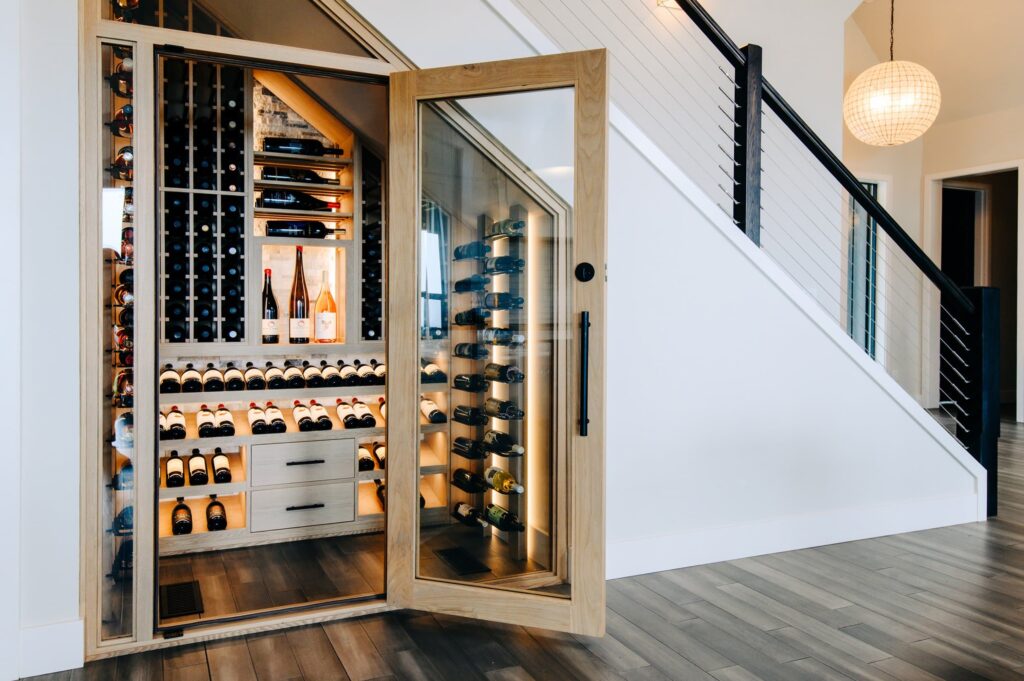
Stable ~12 °C, ~70% humidity, darkness, minimal vibration and movement—that’s your baseline.
Lay bottles on their side, keep cartons off walls and avoid strong odours.
A shared spreadsheet is enough: appellation, cuvée, vintage, quantity, estimated window, opening date, personal note. Open a ‘test’ bottle mid‑window; let your palate calibrate the rest.
We answer your questions
How many bottles to start?
Between 24 and 48 well‑chosen bottles cover most occasions while leaving room to grow.
How to tell if a bottle is ready?
Serve slightly cooler, taste before decanting; if tight, 30–60 minutes in a decanter helps. Keep notes to refine the window.
Are futures (en primeur) necessary?
Useful to secure specific cuvées when logistics are solid. Otherwise, prefer available releases with documented provenance.
Short on space?
A small, tidy cellar beats a sprawling, messy one. Turn over ready‑to‑drink wines quickly and keep only long‑term bottles you can properly follow.
Can I build on a modest budget?
Yes, focus on high‑value appellations and buy small quantities regularly.