Medieval core
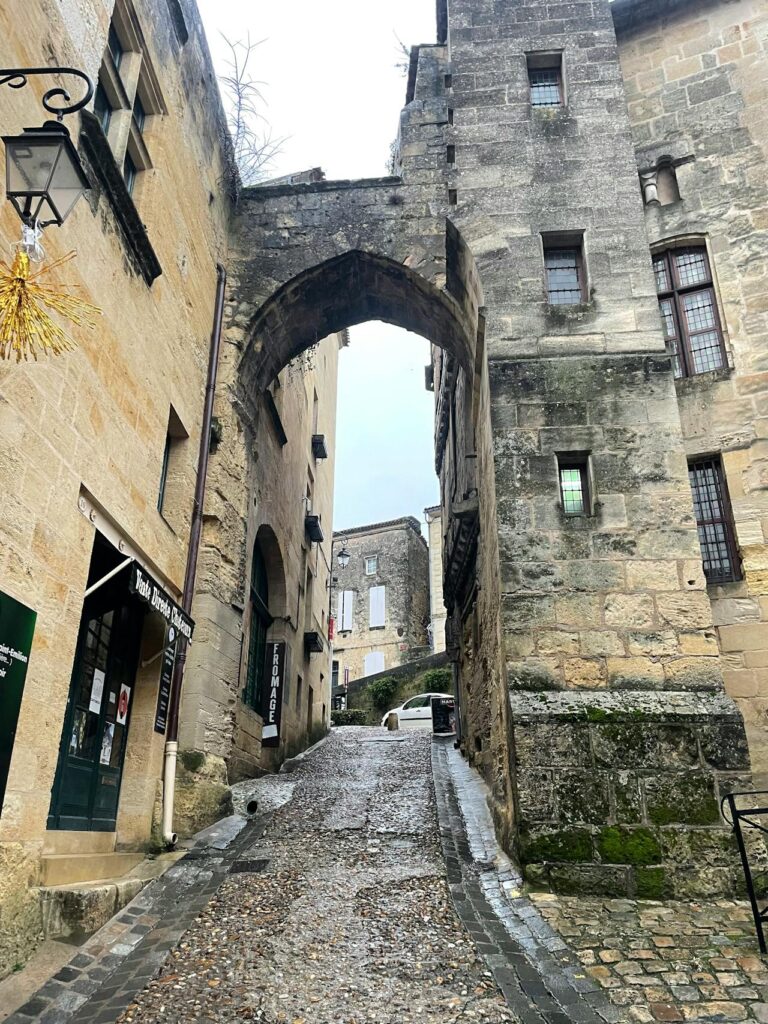
Use low angles and vanishing lines to lift façades into the sky. After rain, cobbles mirror the stone—slight under‑exposure preserves highlight detail.
A textured foreground (doorway, ironwork, foliage) adds depth and guides the eye. Wait for a quiet gap to simplify the scene.
Natural belvederes on the slopes
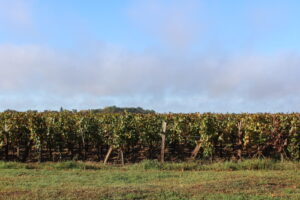
From gentle highs, the vineyard becomes a mosaic. A wide frame reveals transitions between parcels and hamlets; a small lateral move prevents row overlap.
Sunrise/sunset side‑light sculpts relief; brace on a wall or railing for sharpness without a tripod.
Village‑to‑vine edges
Cobbled lanes flowing into rural paths tell the stone‑to‑green story.
Warm white balance flatters façades and ties tones together; a single step can remove cars or signs from the frame.
Dry‑stone walls
At waist height, these low lines make perfect leading foregrounds.
Pick a moderate aperture: shallow enough to separate, closed enough to keep context readable. Never climb the walls—stay on public paths.
Curving rows
After pruning, sinuous rows become pure graphics.
From a slight elevation, align your main axis with a strong curve and keep competing elements to a minimum.
On phones, enable HDR and level the horizon for crisp verticals.
Hollow lanes and woodland corridors
Natural tunnels frame perspective and dampen sound—ideal for portraits.
Expose for highlights filtering through the canopy; place subjects where light kisses the ground.
Post‑shower reflections
Rain lays micro‑contrasts on leaves and turns stone into mirrors.
Expose for highlights, then lift shadows if needed; drop the camera close to the ground for dramatic reflections.
Libourne riverside
At golden hour, build on three planes—façades, water, sky.
A slightly longer exposure calms the surface; a single human element adds story.
Railings are perfect braces.
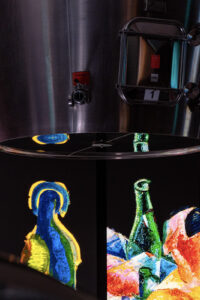
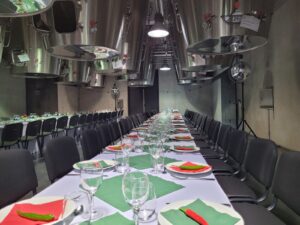
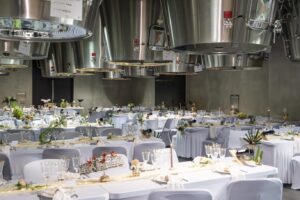
Contemporary cellar architecture
Under the vats, verticals and reflections create graphic frames.
Keep lines straight; symmetrical views are rewarding.
Stainless steel and wood react beautifully to directional light—always follow visitor guidelines.
Seasons & details
Budbreak, bloom, veraison, harvest—the same scene changes character.
Hands, tools and vine textures tell the human side without recognisable faces.
Work around 50–85 mm (or phone’s optical zoom) for natural perspective and soft backgrounds.
Quick tips & good practice
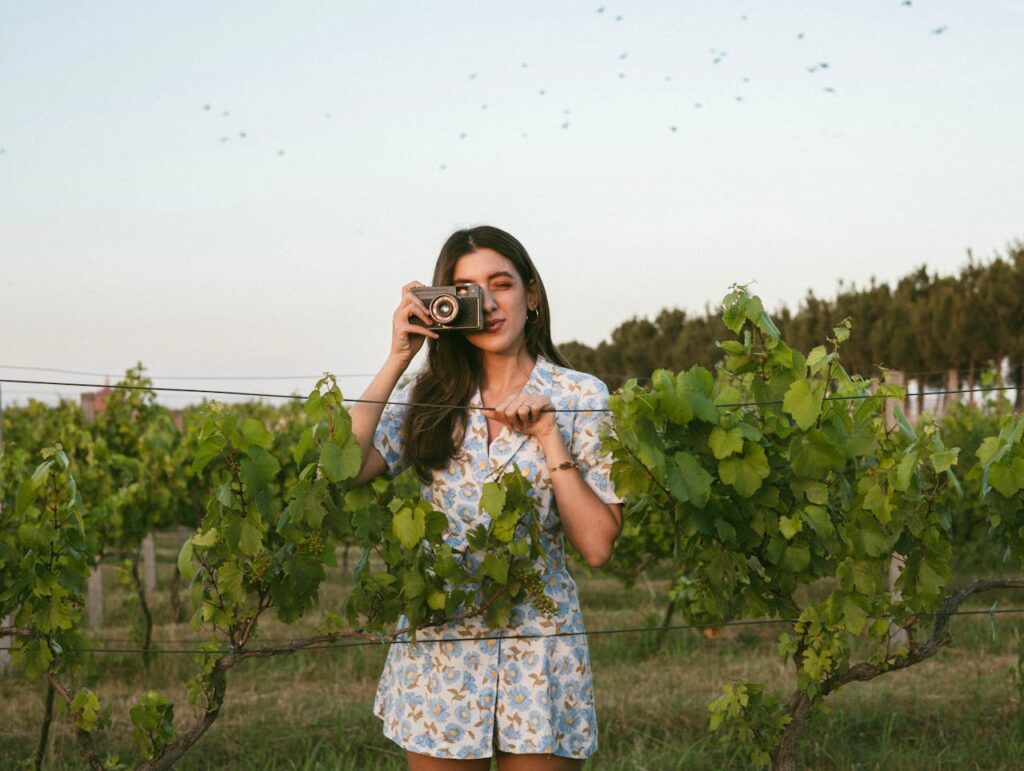
Light & gear: prefer golden hours; brace on a wall if you have no tripod.
Phones: enable HDR, tap to lock exposure, fix perspective lightly in post.
Respect: stay on public ways, never enter private parcels, ask when in doubt.
Crowds: wait 30–60 seconds between flows for a clean frame.
We answer your questions
Can I shoot the harvest?
Only with the estate’s explicit permission—favour gestures and details over recognisable faces.
Do I need a tripod?
Handy at dusk; by day, a stable brace often suffices. Night modes help on phones.
Which focal lengths work best?
Moderate wide (24–28 mm) for landscapes, 50–85 mm for details/portraits; avoid extreme digital zoom on phones.
May I shoot inside a cellar?
Yes during guided tours and within authorised zones—follow your guide’s directions.