Appellation: the wine’s ‘frame’
The appellation (AOC/AOP) states origin and rules (delimited areas, authorised grapes, production principles).
On the Right Bank you’ll often see Saint‑Émilion, Saint‑Émilion Grand Cru (a separate appellation), Pomerol, Lalande‑de‑Pomerol, Castillon‑Côtes de Bordeaux, Francs‑Côtes de Bordeaux, etc.
Note that Pomerol carries no official classification—quality still varies by estate but avoids confusion with other systems.

Estate name: the ‘author’ and house style
The château/estate name identifies the producer. ‘Mis en bouteille au château / à la propriété / au domaine’ means estate‑bottled on site (a short, controlled chain).
You may also read ‘Grand Vin de Bordeaux’ (traditional but not a regulated guarantee) and practical notes like ‘Propriétaire‑récoltant’.
Some estates release a ‘second wine’—a different selection of lots under the same house style.
Vintage: placing the wine in its year
Vintage marks the harvest year. It doesn’t dictate quality alone—estate style, viticulture, winemaking choices and your storage matter as much.
Tasting two or three vintages from the same estate is a quick way to feel year differences and gauge drinking windows.
Legal & practical mentions to check
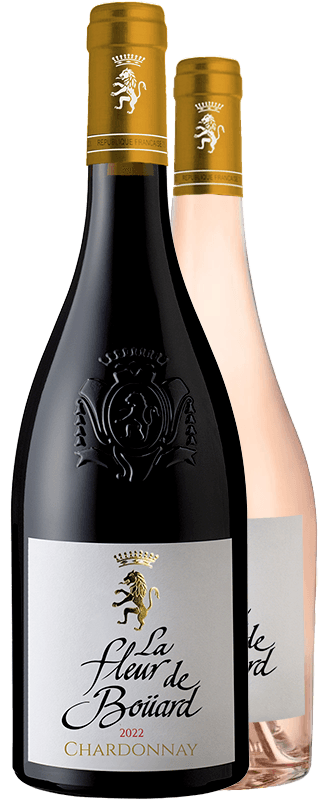
Front and back labels carry useful, sometimes mandatory items. They won’t tell you the exact taste but they secure the purchase and service.
- Alcohol % and volume (most often 75 cl).
- Name/address of bottler (often the estate); importer/distributor for some markets.
- Lot code (‘L…’) for traceability.
- Mandatory health messages (‘Contains sulphites’, regulatory pictograms).
- Optional service advice (temperature, food pairing, cellaring).
Environmental certifications
Logos such as HVE (High Environmental Value), Organic (AB) or biodynamic (e.g., Demeter/Biodyvin) reflect audited approaches.
They signal intent rather than a fixed flavour—align values first, then confirm style in the glass.
Style hints on the back label
Back labels may describe the blend (indicative Merlot/Cabernet Franc shares), tasting notes, pairing tips or the vinification spirit (gentle extraction, freshness focus, oak maturation).
Treat these as reading aids, not fixed promises—the best validation is tasting, ideally guided.
Quick exercise: read, set an expectation, taste
Pick two Right‑Bank labels from different appellations; read frame/author/time/guarantees; write a simple expectation (freshness, texture, intensity); then taste at suitable temperature, noting attack, mid‑palate and finish.
Compare your notes to the back label: what matched, what surprised you? Repeat and your memory becomes both personal and reliable.
Common pitfalls
Confusing ‘Saint‑Émilion Grand Cru’ (appellation) with ‘Grand Cru Classé’ (Saint‑Émilion classification).
Assuming ‘Grand Vin’ is a regulated guarantee—it isn’t.
Believing appellation alone defines flavour—estate style and vintage weigh heavily.
We answere your questions
Is ‘estate‑bottled’ a quality seal?
It mainly signals a short, controlled chain on site. Quality is judged in the glass, but the logistics make sense.
What does ‘Grand Cru’ mean in Saint‑Émilion?
It’s an appellation (Saint‑Émilion Grand Cru) with specific rules—distinct from ‘Grand Cru Classé’, which is a classification.
Does Pomerol have an official classification?
No. That doesn’t preclude top quality—it simply avoids confusion with other systems.
Should I trust printed scores?
They can guide, but proper tasting in good conditions is the best validation.